VII. on bathing
BATHING:
from bush to bathhouse
I didn't grow up thinking of bathing as luxury. We had a communal bathroom, shared by lots of people, with no lock on the door and plastic shower curtains with plastic rings. It was in the tropics, where spaces can - and are - quickly ravaged by mould, mosquitos and spiders.
We did, however, have a sauna connected to this shared bathroom, dashing outside to collect pine needles to carry out Finnish whipping techniques, and taking turns to run under the hard jets of a cold garden hose, carrying out our improvised version of a Kneipp affusion.
We grew up hearing stories about Sebastian Kneipp, our family's most famous export, whose enthusiasm for hot and cold water therapy continues to ripple through modern life. My father was an acupuncturist and had set up our home as an acupuncture school, so we were all studying or practising some form of healing, and water was simply one of the many tools woven through daily life.
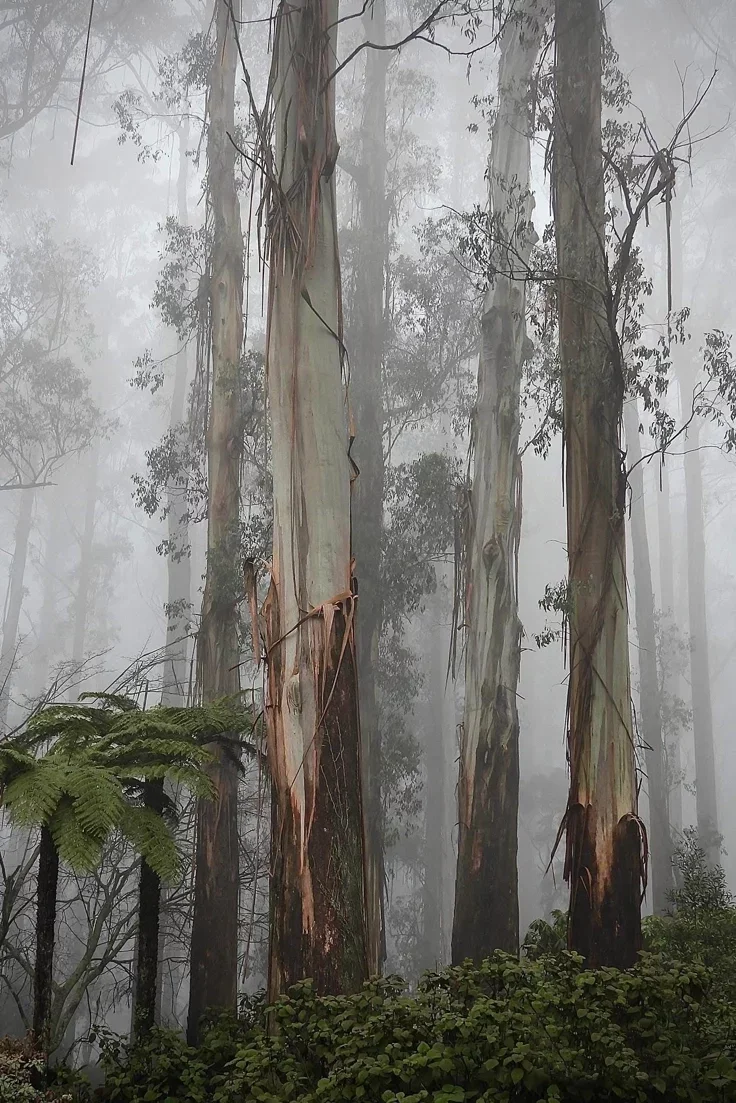
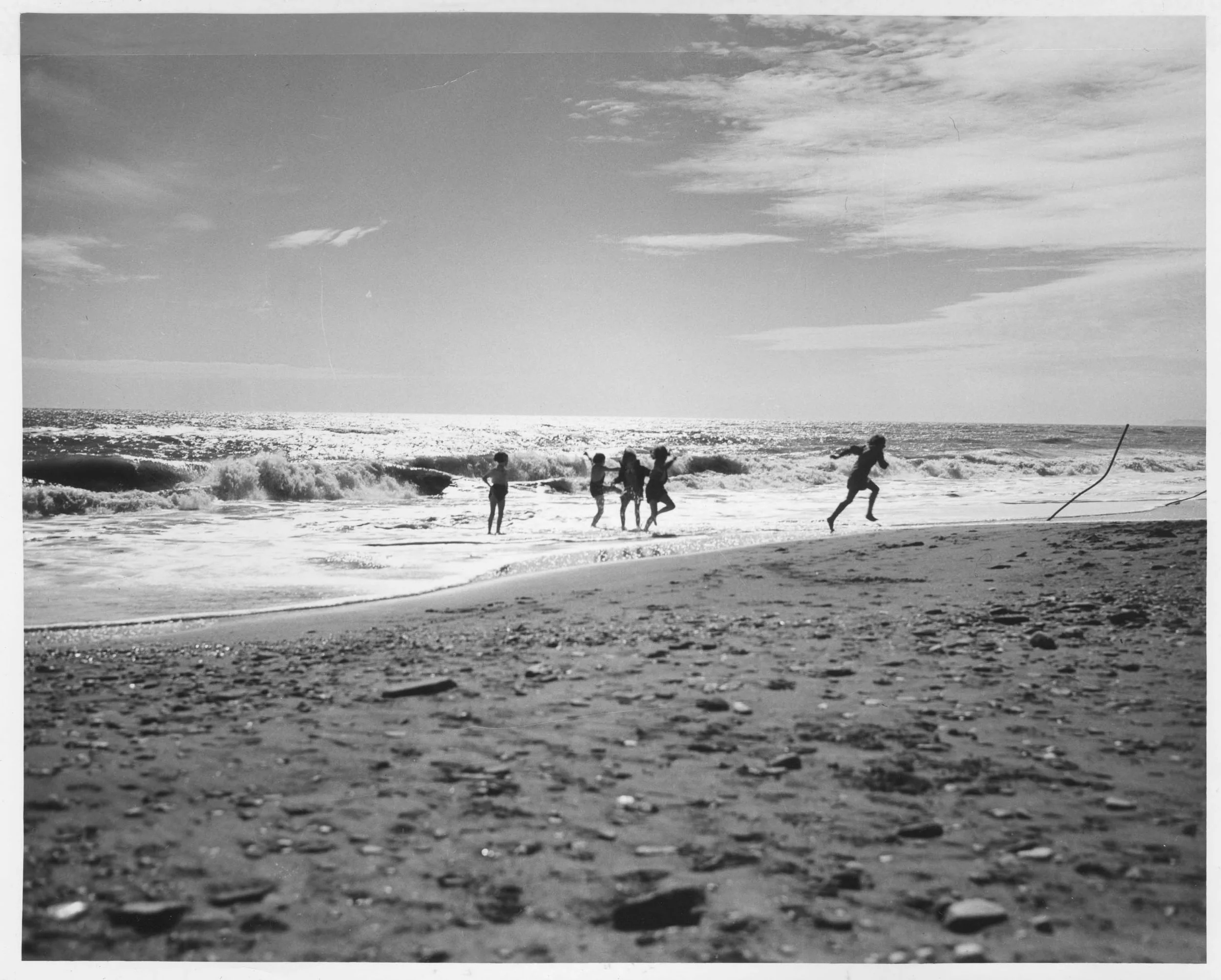
Ignoring the camp-like shower facilities, our preferred daily ritual revolved around choosing which fresh bodies of water we would spend each afternoon. Growing up on a huge bush block in Far North Queensland, we would stomp through snake-ridden grass, amble down rocky hillsides, and dash along concrete irrigation walls, finding the day's best swimming source, many within walking distance of our house.
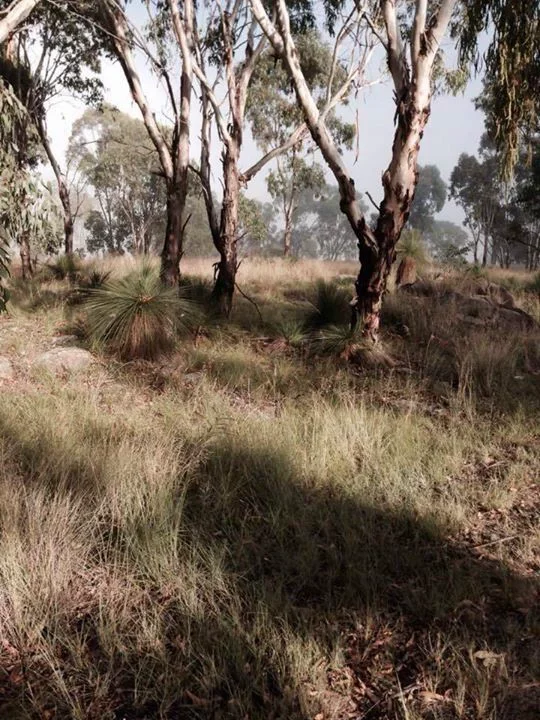
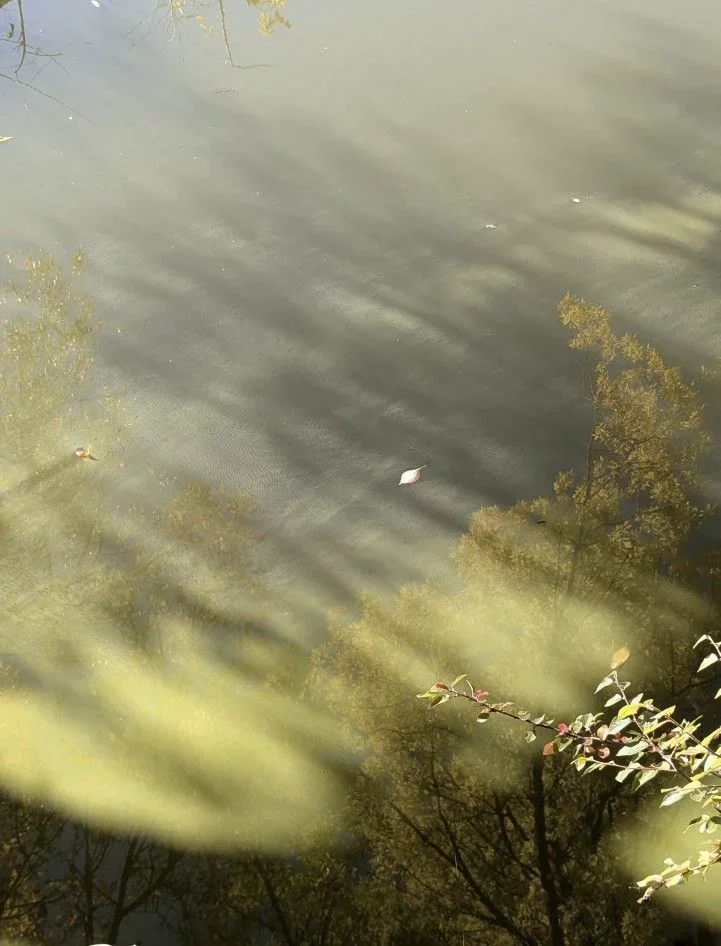
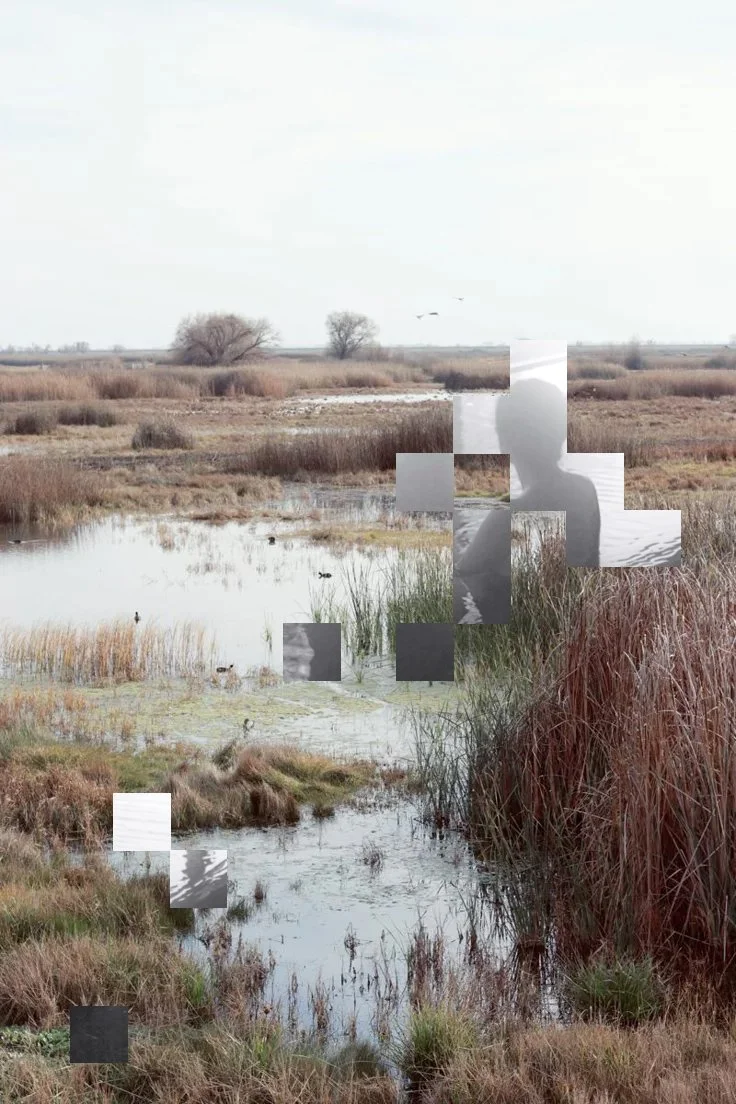
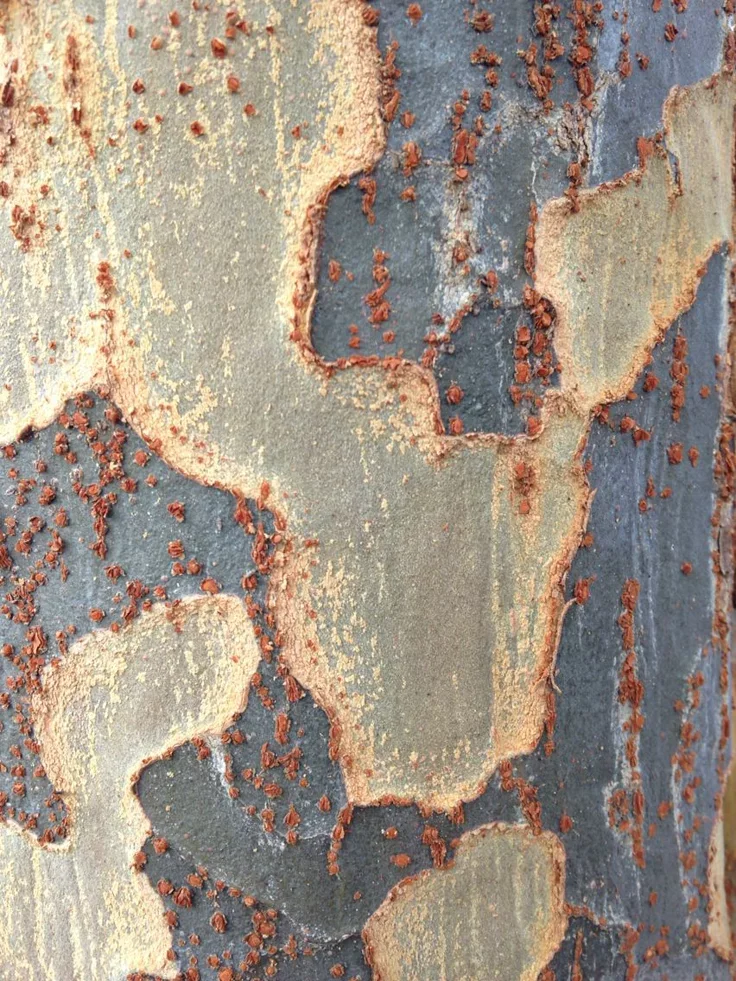
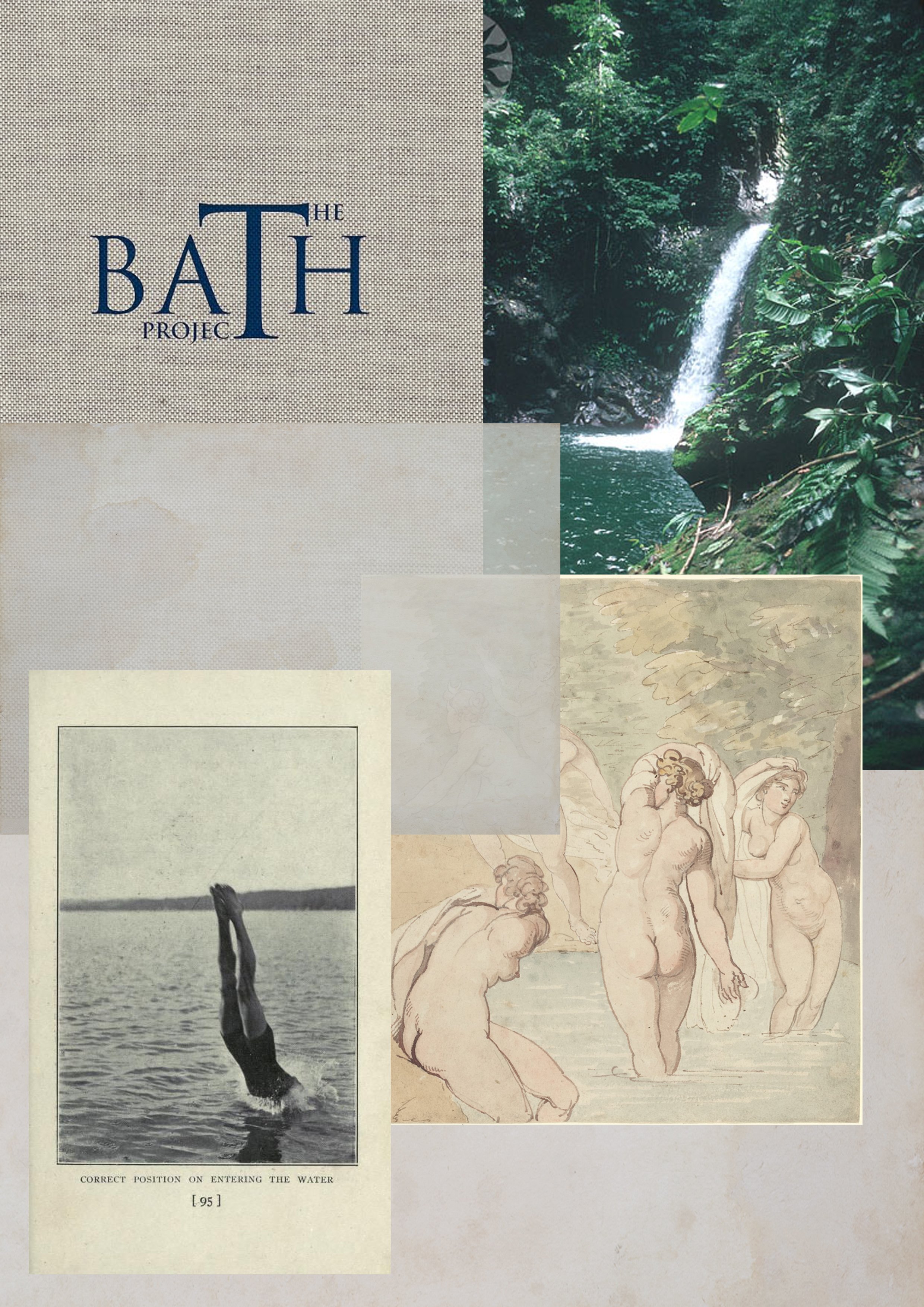
It was just what we did. Creeks, rivers, waterfalls, irrigation channels, dams, tributaries, lakes. Temperature wasn't aesthetic, it was something you moved through, something that shifted your state whether you were paying attention or not. You got in, you stayed, you adjusted, and along the way your body recalibrated itself, taking in the yellow textures of the surrounding grass, the immersive greens of the rainforest trees, the browns and grey of formed concrete and rock.
Any time we spent on acupuncture and healing paled in comparison to our childhood priority for a daily swim. We were more interested in building cubbies, holding our breath underwater and disappearing into the bush for entire afternoons, returning home only when we thought we might be in trouble if we stayed out any longer.
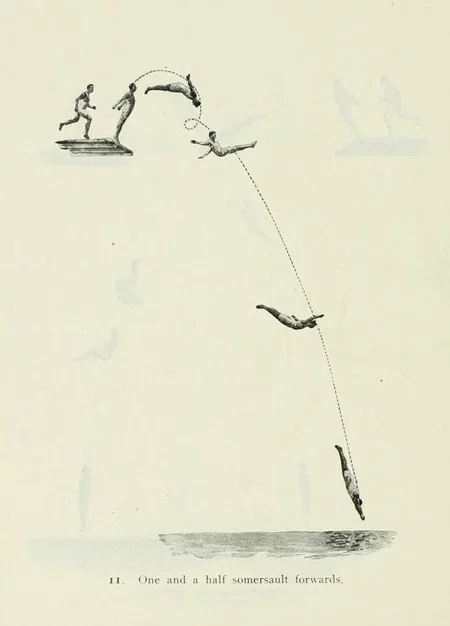
For us, water was not just a salve from the glaring heat; it was hours of escape from rules and responsibilities, where we learnt to keep up with our older brothers, endlessly challenging our agility and bravery, daring each other to do stunts and jumps, building our own little worlds. Our connection to water was a connection to our landscape and to ourselves.
My love for bathing led me to almost a decade of work for Peninsula Hot Springs, where I witnessed many of our childhood sentiments return in a very different setting. People arrived carrying the pace and noise of modern life and, often without realising it, you could see their shoulders dropping, breath slowing, a kind of quiet recognition passing through the body before it reached the mind. Nothing dramatic, just a subtle reordering of internal pace, a noticing of the trees and rocks around them, a weightlessness as their body softened into the water. My own worries and endless mental lists would similarly dilute and dissolve in the mineral waters.
That decade also brought me back to my own life with a clearer sense of why bathing had always mattered to me. Living in the city, it is easy to lose many of those childhood bathing rituals. Freshwater creeks become harder to find and water temperature becomes something we mostly control with a lever or a knob. Entire days spent outdoors are replaced by calendars, deadlines and responsibilities.
PERHAPS THAT IS WHY BATHING CONTINUES TO HOLD SUCH FASCINATION FOR ME
My own bathroom has become a kind of daily substitute for those childhood swims. Not because it attempts to recreate them literally, but because it offers a similar opportunity to recalibrate. A place to pause, to move between temperatures, to notice the way light enters a room. A place to exhale and be briefly removed from the demands of the day.
The older I get, the more I realise that what I valued about those afternoons in rivers and creeks was not simply the water itself. It was the way the surrounding environment worked together to shift my state: the enclosure of the landscape, the texture beneath our bare feet, the changing temperature of rock, grass and water. It was a feeling of being held by a place while still feeling connected to something larger than yourself.
When I design a bathroom now, what I am looking for is not a particular aesthetic or style, but an understanding of what helps someone settle.
For one person that may be a room flooded with natural light and a strong connection to landscape. For another, it may be a darker, more enclosed space that feels protective and cocooning. The answer is rarely universal, because we all arrive carrying different histories, habits and ways of moving through the world.
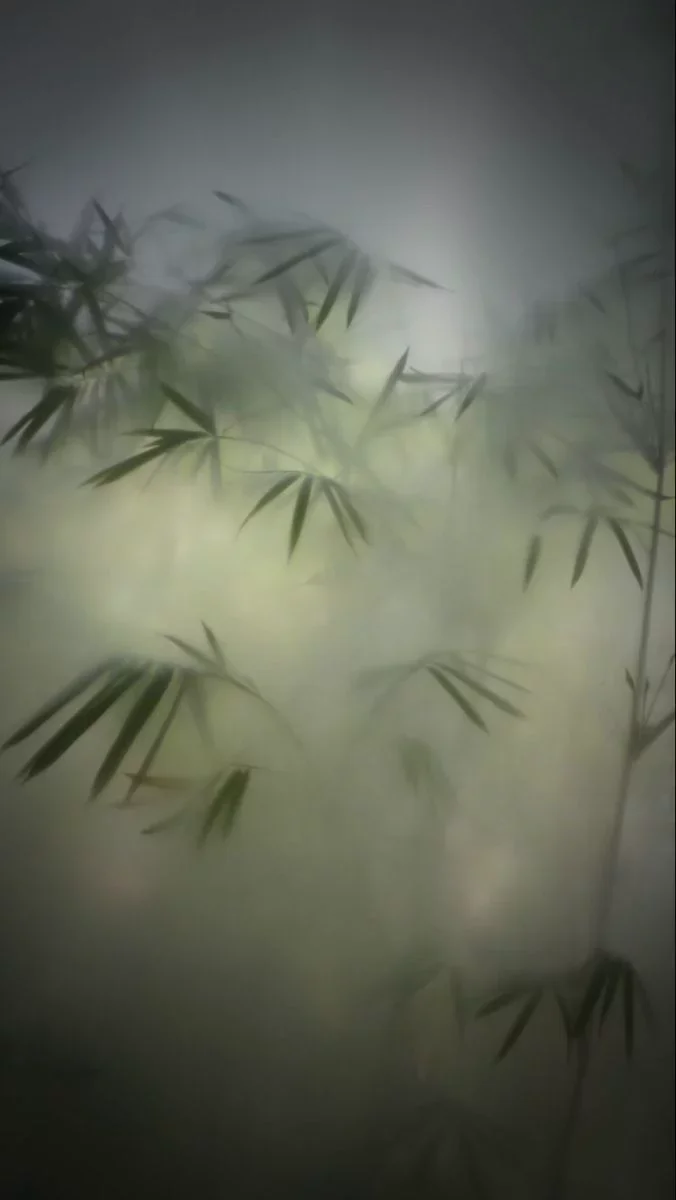
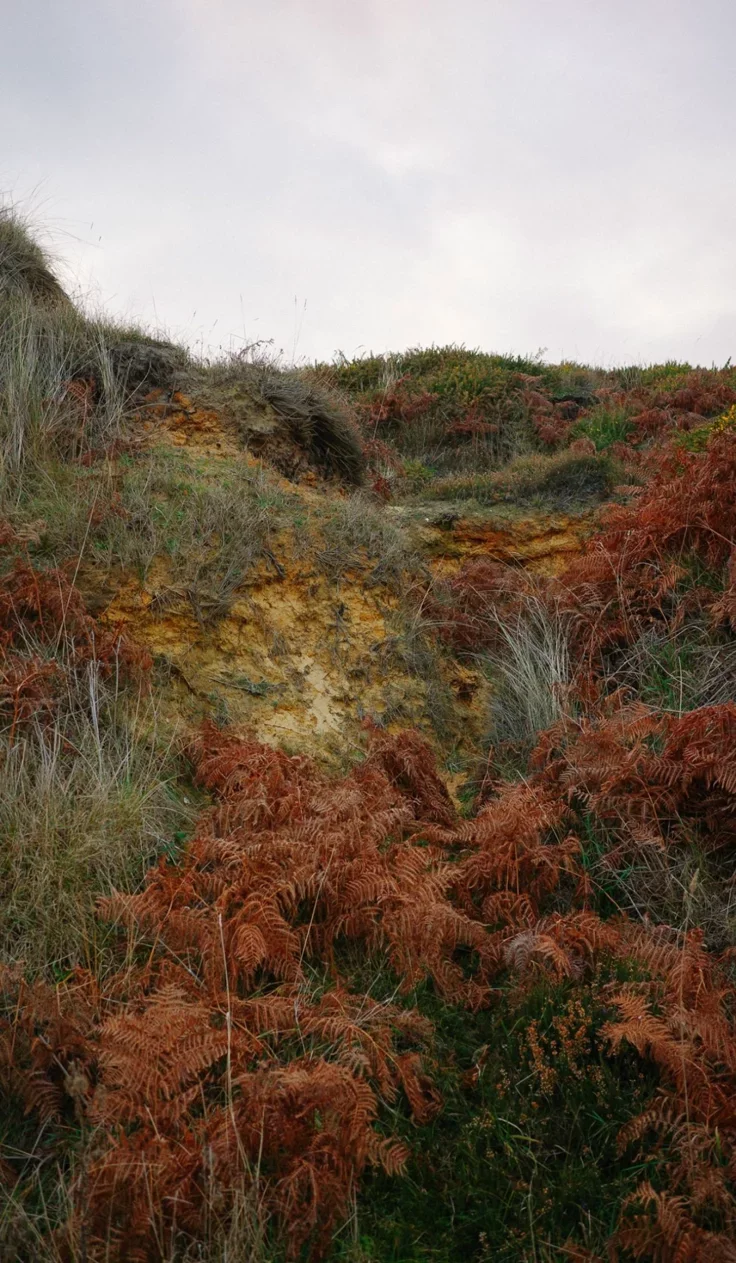
I can see many of those childhood experiences finding their way into my work. Not through hydrotherapy or wellness practices specifically, but through observation: paying attention to how different environments affect different people, noticing what helps one person settle while leaving another cold, looking for the small adjustments that can change the way a room feels to inhabit.
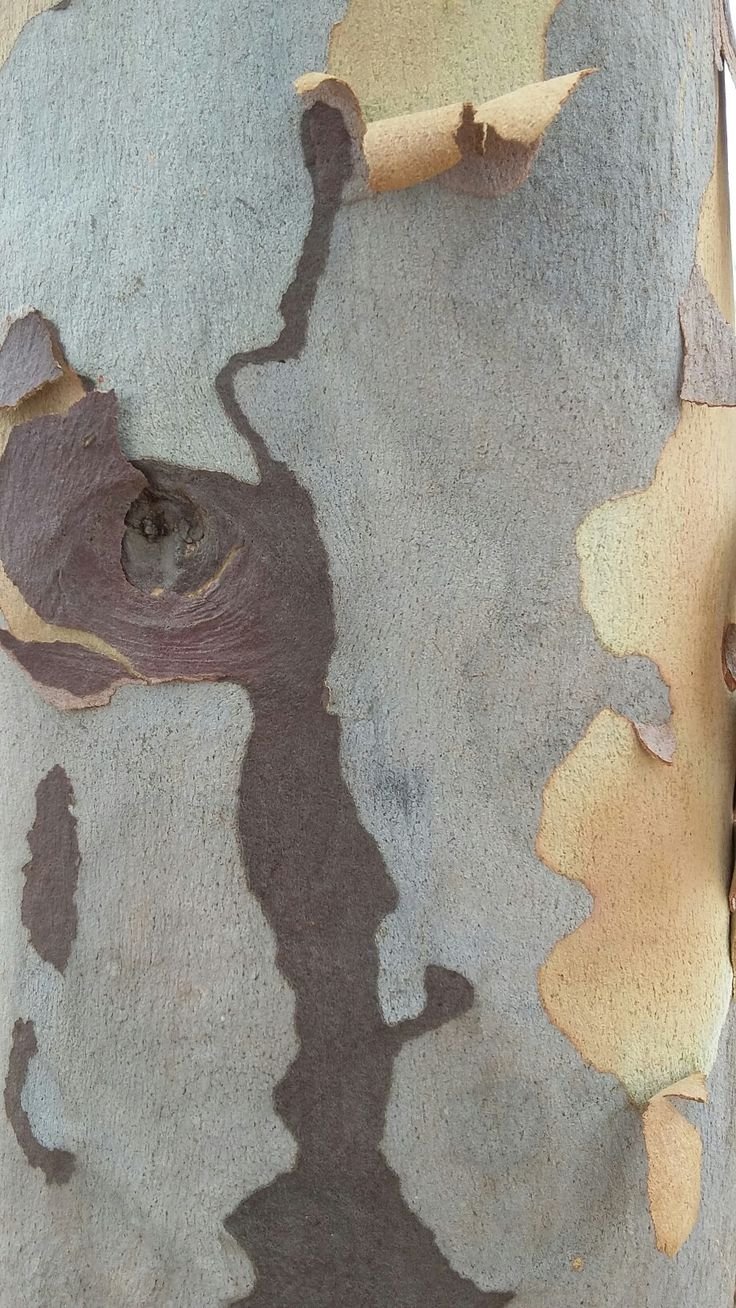
My own bathroom returns me to the rainforest-surrounded waters of Lake Eacham in Yungaburra, my most beloved childhood swimming hole. With dappled green-blue walls and small grey pebble-like tiles, it carries echoes of the lake, reminding me to slow down and reconnect.
Looking back, I realise I have spent much of my life recreating that connection between water, landscape and self. Not designing luxurious bathrooms for their own sake, but creating the conditions that allow someone to pause long enough to feel themselves again.
A bathroom is not simply a place to wash. It is one of the few places in a home where we are allowed, even expected, to simply stop.
If you're considering how bathing, ritual or wellbeing might form part of your own project, we'd be happy to talk.